
Welcome
Welcome to the Mapping Robinson Crusoe project
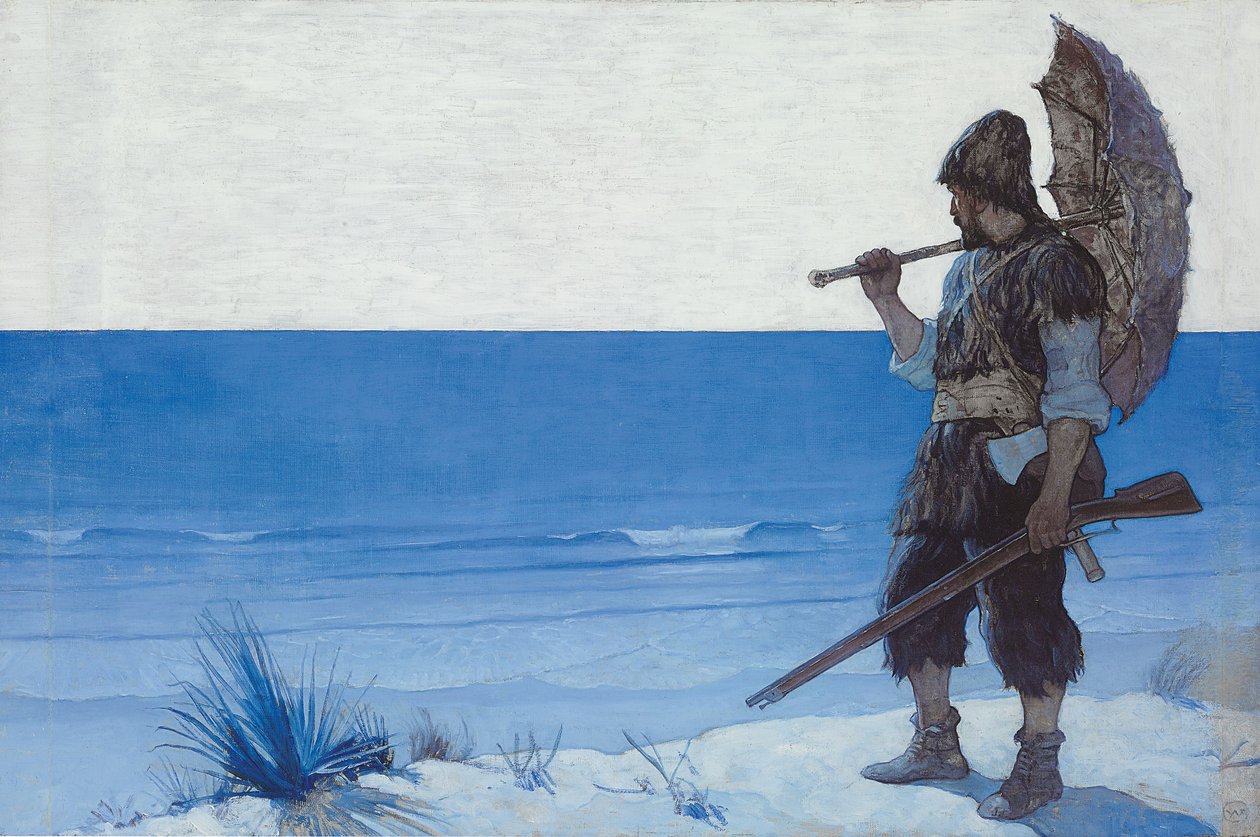
Robinson Crusoe has been studied countless times over the last few centuries. It is sometimes considered the first novel in the English language, though that claim is contentious. The book was generally well received at the time of its publication, but it also attracted criticism from contemporaries such as Jonathan Swift and Alexander Pope.
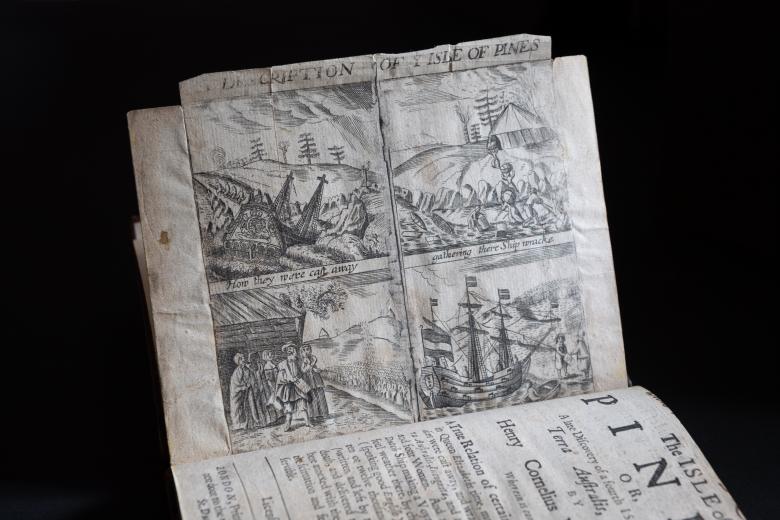
A debate that has risen in Robinson Crusoe studies and 18th century literary studies is that of the sources of inspiration for the novel. Though Robinson Crusoe was popular, it did not in fact appear out of thin air. Travel literature and stories of castaways could be traced all the way back to the Homeric period with the Odyssey. However, Defoe was more likely drawing on some of his contemporaries. Books like The Mighty Kingdom of Krinke Kesmes by Hendrik Smeeks and stories like that of Alexander Selkirk have received particular attention in scholarship as potential sources of inspiration for Defoe. However, it would not be called a debate unless there was some true tension. Scholars such as David Fausett are strong supporters of the idea that Crusoe is inspired by travel accounts and travel fiction in the Great Britain, France, and Netherlands tradition (Fausett, 1994); he draws particular focus on Smeeks' book. But scholars like Blaim have serious doubts about this idea (Blaim, 1996). To make things more complicated, we also must consider authorship and attribution in those times. Pauley argues in his 2023 paper that questions of authorship and influence in Defoe studies should be treated as matters of probability rather than certainty, and that claims about specific source texts must therefore remain cautious and provisional (Pauley, 2023).
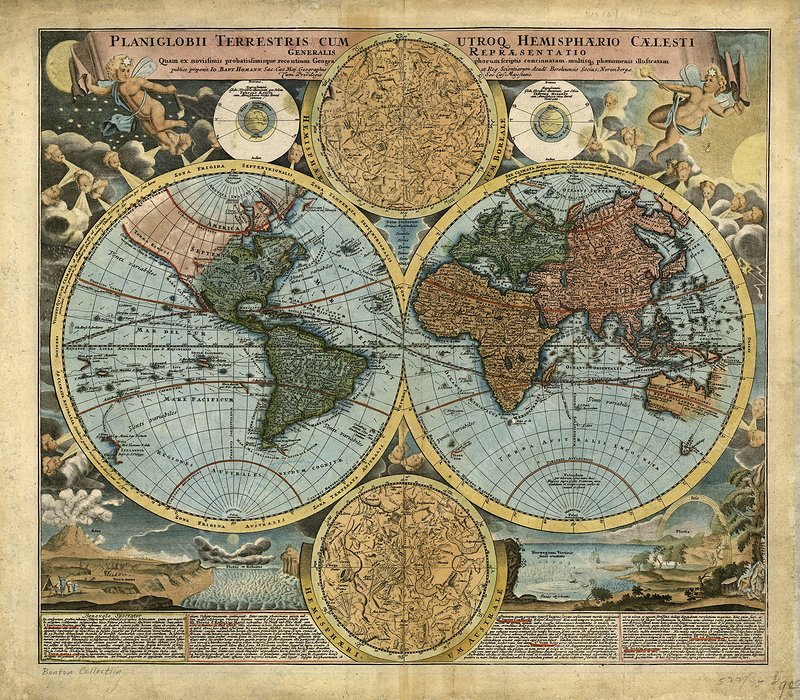
While literary evidence and close readings have produced very compelling arguments about the origins of Robinson Crusoe, this project offers a different approach. I focused on patterns rather than "definitive" proofs of inspiration. This project undertakes a comparative study of locations in travel literature published before Robinson Crusoe in an attempt to find recurring spatial patterns and possible points of inspiration. The primary goal is to compare the movements in these earlier travel accounts to see whether there are any striking similarities. I contend that, through digital mapping and comparative GIS, new, non-textual evidence can be added to the debate on the inspirations of Robinson Crusoe.